Case study: 35,000 square foot retail strip center with approximately 17 tenants.
Rent roll fraud is a deceptive practice that inflates rental income and occupancy to increase a property’s sale value or secure larger loans. Verification of tenant occupancy, lease terms, or business operations is generally outside the scope of a standard Property Condition Assessment.
However, in this case, we informed the client of our concerns about potential rent-roll fraud. We recommended that the client conduct further due diligence.
Here are some of the red flags:
Several storefront identifiers/signs and observed tenant uses did not appear to be consistent with the rent roll documentation.
Some utility gas meters serving tenant spaces were observed to be locked out by the service provider.
A few tenant spaces were closed or not operating at the time of the assessment.
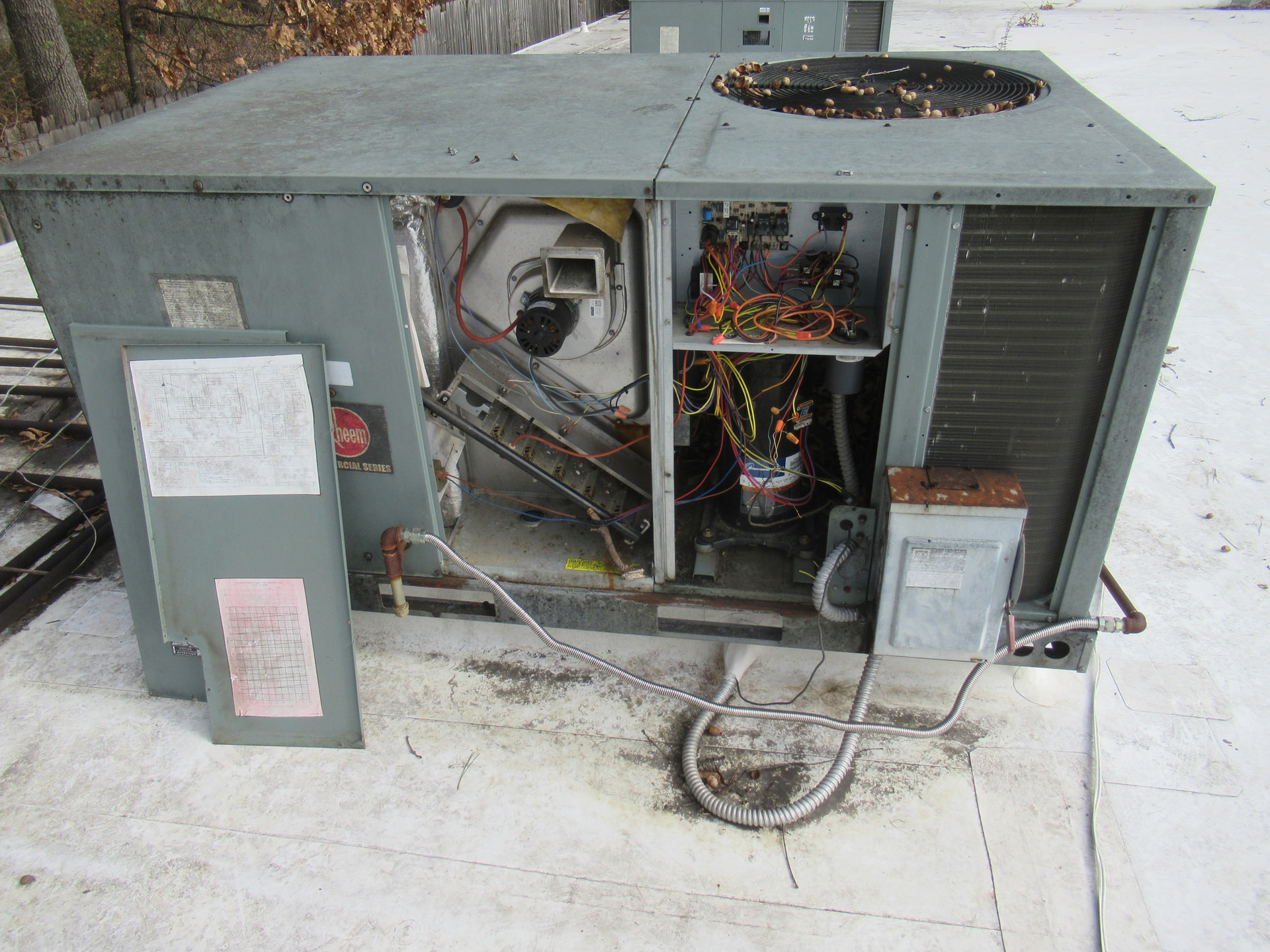
Inoperable heating was observed in several suites; gas was off, and/or there was no hot water.
One tenant space was accessible during the inspection but subsequently closed during the assessment period.
Temporary or non-permanent storefront signage was observed at multiple suites.
On-site suite configurations indicate that some tenant spaces may have been combined or modified relative to the layout shown in the rent roll.
More than one business type was duplicated in the tenant mix. One instance where similar uses were located in adjacent spaces.
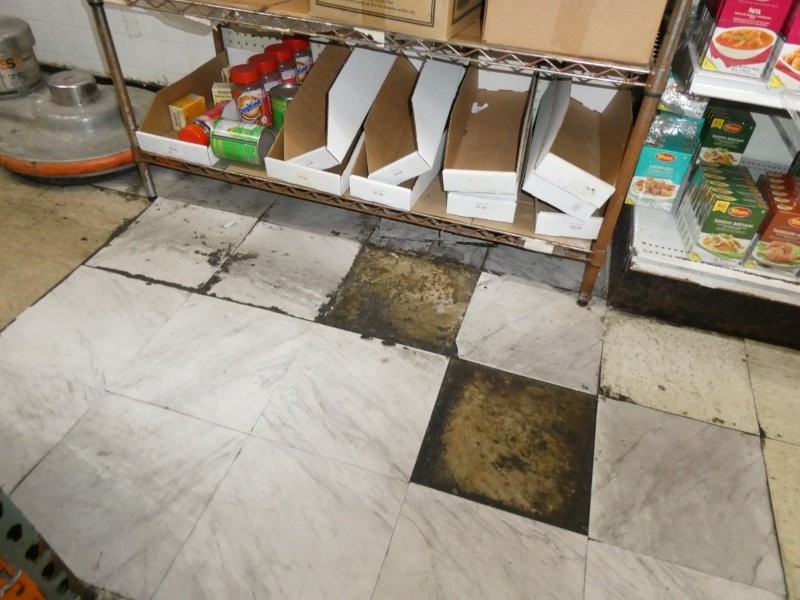
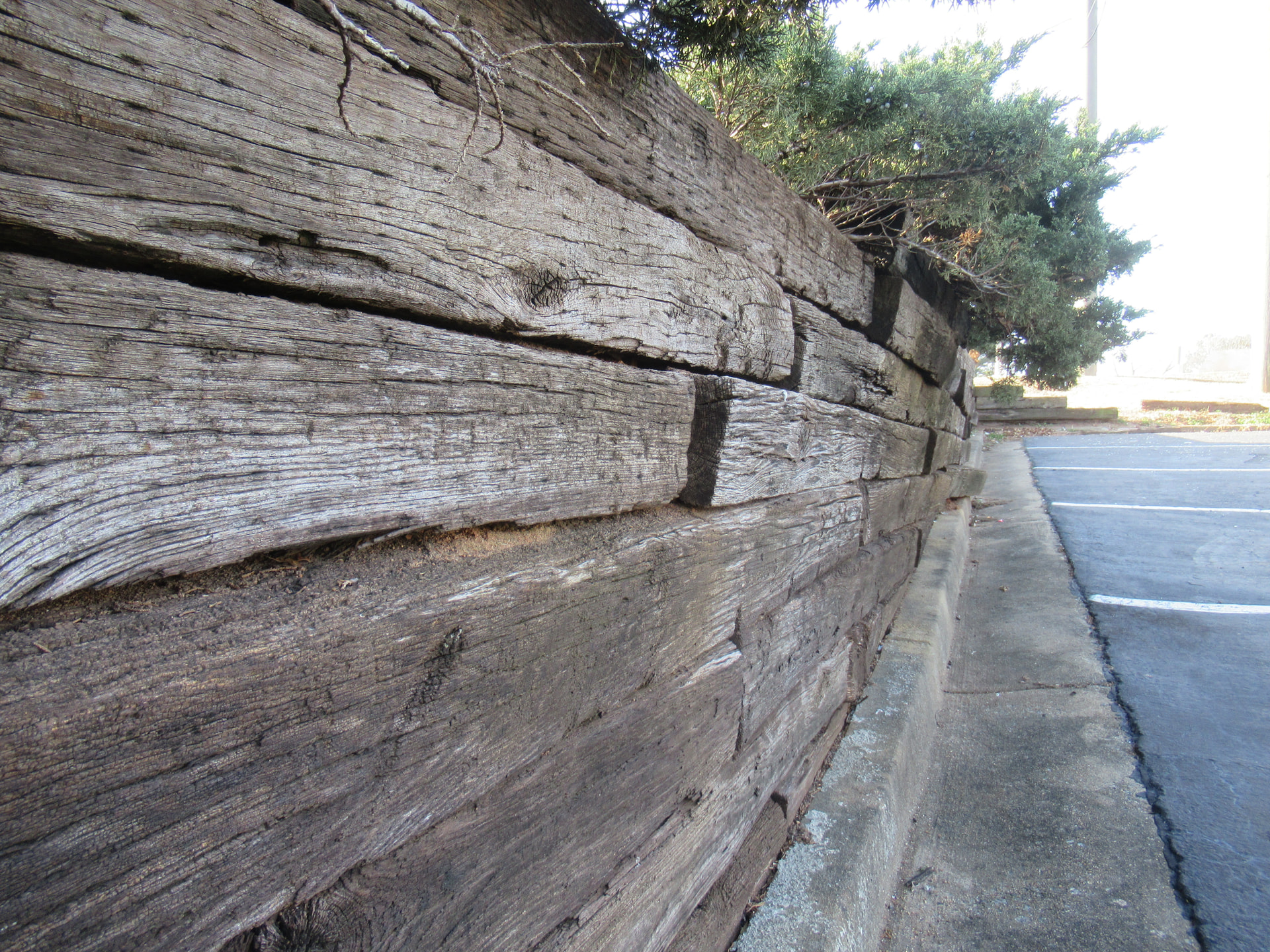
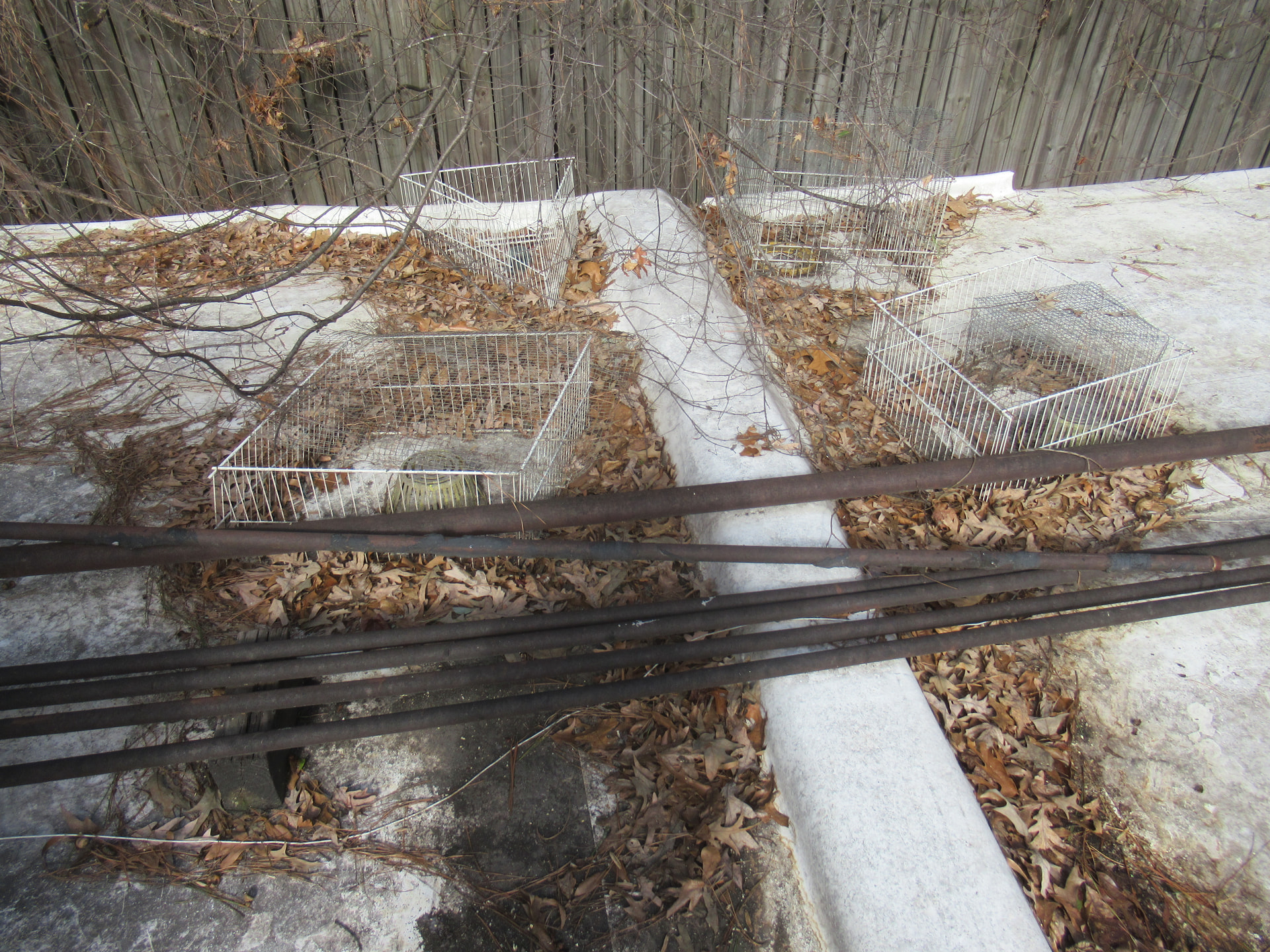
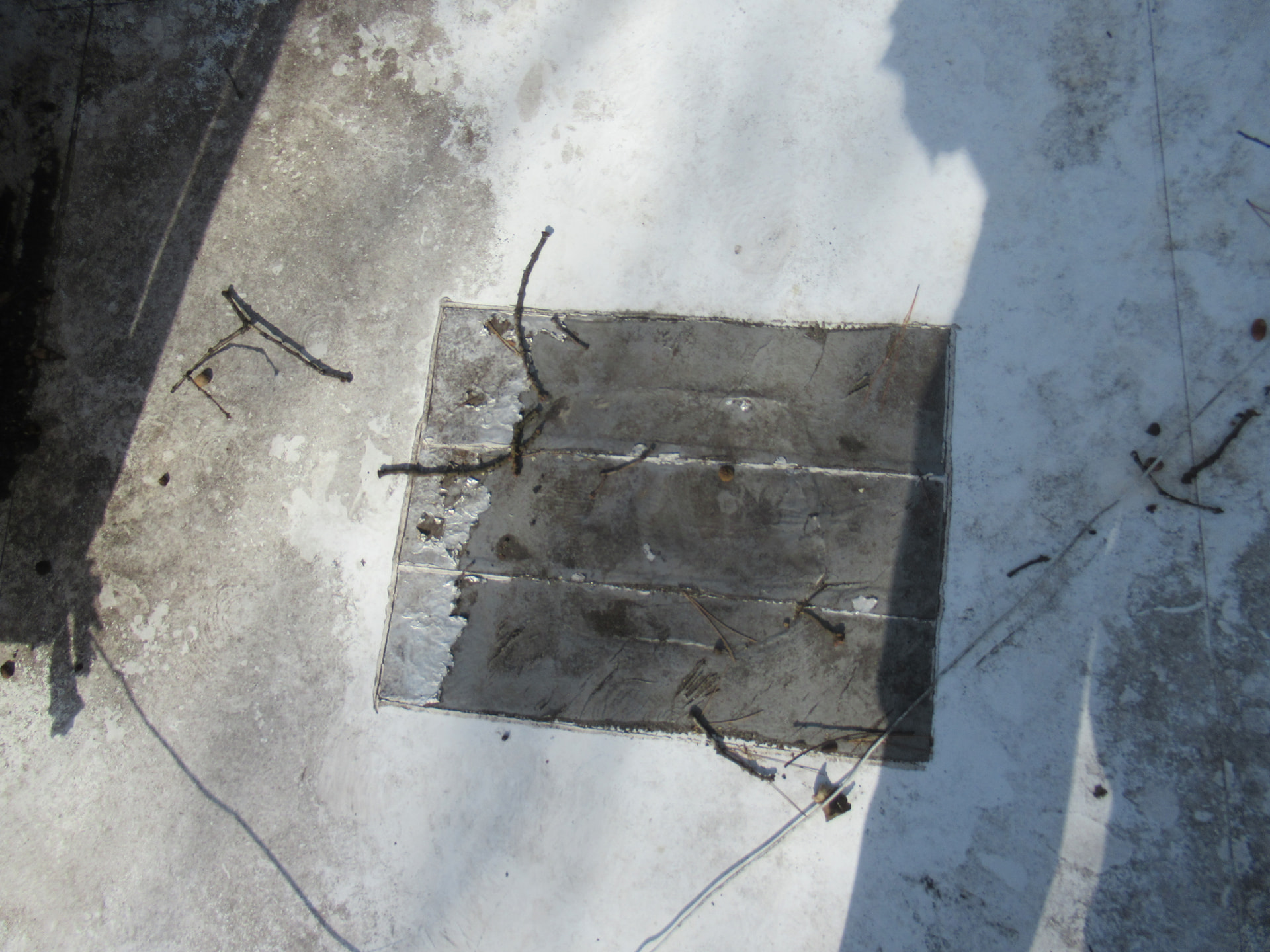
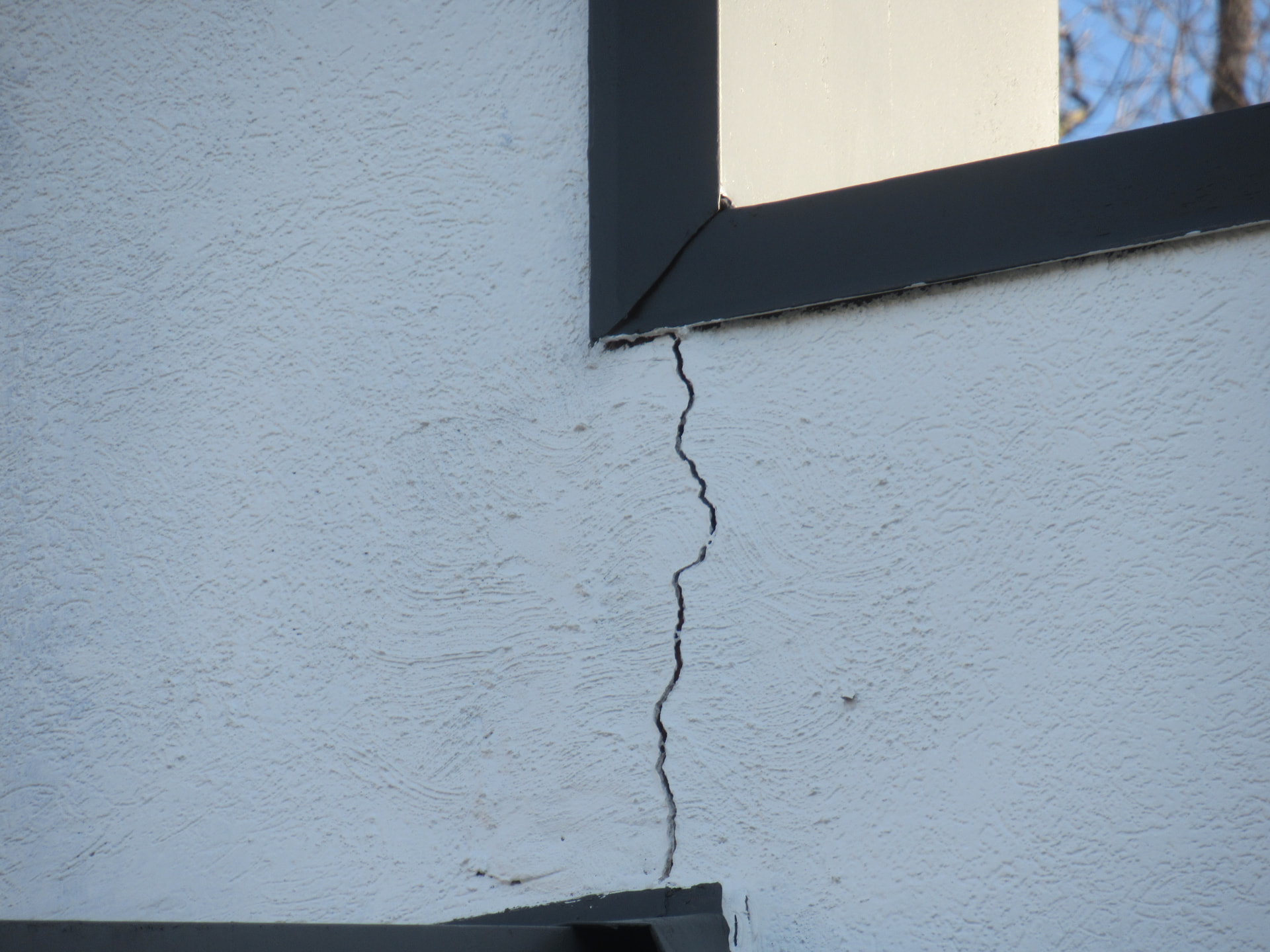
Beyond suspicions of rent roll fraud, there was extensive deferred maintenance, non-operational building systems, life-safety issues, new paint on the street-facing side of the building only, and a seal-coated, heavily degraded asphalt parking lot. Landscaping was neglected, retaining walls were failing, and privacy fencing was in poor condition.
Situations like this certainly get my hackles up. I suspect fraud and definitely want to warn my client. However, making accusations or proving fraud is not my department and a bit outside my lane. So, some things I might have done to help my client to “detect” the fraud themselves, if it exists, I do not know: 1) list the units that appeared to be open for business and occupied versus appeared to be closed and unoccupied, based solely upon my visual-only observations at the time of inspection (that could certainly be wrong). Those are simple observations that either mesh with the rent roll or they do not that someone else, outside my lane could verify (which I would recommend, of course) and 2) write hard about anything that is non-functional, thereby lending credence to the place being unsuitable to conducting business.
A similar situation I have run into in California several times. California recently passed and enacted AB 968, colloquially known as “the flipper law.” When I suspect that a house flipper has attempted to shave corners, I immediately slow down the inspection to make doubly sure I don’t miss anything, as this could very likely up with me having to testify in court someday. The other thing I do is put a comment in the information section that informs my client about AB 968 and recommend that they ask for full disclosure (i.e. the flipper has to show receipts, contracts, permits, etc.) under the law. The law is public information… That reduces my personal liability, in my estimation, without accusing anyone of fraud.
I agree. Good point. Avoiding speculation and accusations is important. However, we can safely narrate our observations and make a recommendation. For the purpose of this post, I chose not to be ambiguous.
If anyone would like to discuss how or when to report on this type of concern or other issues outside the scope of an inspection, let me know.
Most importantly I feel on this commercial project, the property overall was considered to be poorly maintained, including many of the major system/components. Lots of hazards and safety issues or concerns as well. This commercial inspection project was definitely an odd ball so to speak. We’ve inspected many types of commercial properties where things do not fully add up in terms of what the seller is presenting, advertising, or portraying the property as and what we visually observe on-site. It can be a variety of discrepancies and come in many forms. And, often the level does not warrant action or enough attention to put special emphasis about it within a finished PCR or Commercial Inspection Report. The findings can simply speak for themselves and are fleshed out within the total completed product of the PCR.
Typically, when performing PCA’s utilizing the ASTM e2018 or commercial inspections utilizing the CCPIA comsop standards, the consultant (inspection firm) will utilize a proposal and define an agreeable scope of work with the client. Unless specifically agreed to in the scope of work, you will not be inspecting or assessing for fraud, illicit, or illegal type property owners, business activities, or tenant activities. And you are not required to inspect or assess anything that is not within your scope-of-work and agreement.
But, in a PCA or commercial inspection often within the scope of work, the consultant will include document reviews and interviews pertaining to the commercial property. If you find discrepancies within those provided materials and resources, you should reflect that in your report. Stick to verifiable information or information that was expressed, conveyed or communicated. It’s good advice to stay away from speculations, accusations, guessing, suspecting, etc. For us, we feel sometimes there is an unique or present out-of-scope work circumstance, issue, item, system, component, etc, on the particular property that it warrants including some additional information pertaining to it but making sure it’s known that it is ‘‘out-of-scope’’ and then simply recommending further appropriate inquiry or due diligence. Even though you may have a list of out-of-scope items within your agreement and listed within a guideline/sop and copied/linked in your report.
Here are a few extra photos to brighten up your cold January wintery day! I still have ice on the ground here in north GA, most has finally melted though. And it looks like we might get some snow this weekend! I have no issues with snow. But that ice is not a good time…it really just belongs in my drinking cups or coolers lol.
It’s bonkers what some people and entities are paying for commercial property. Looks like this one would cost north of 3 million. Based on the PCA/PCR opinions of probable costs to remedy deficiencies were around a million!