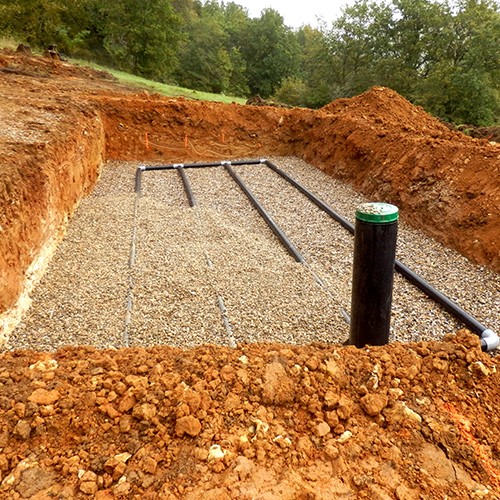
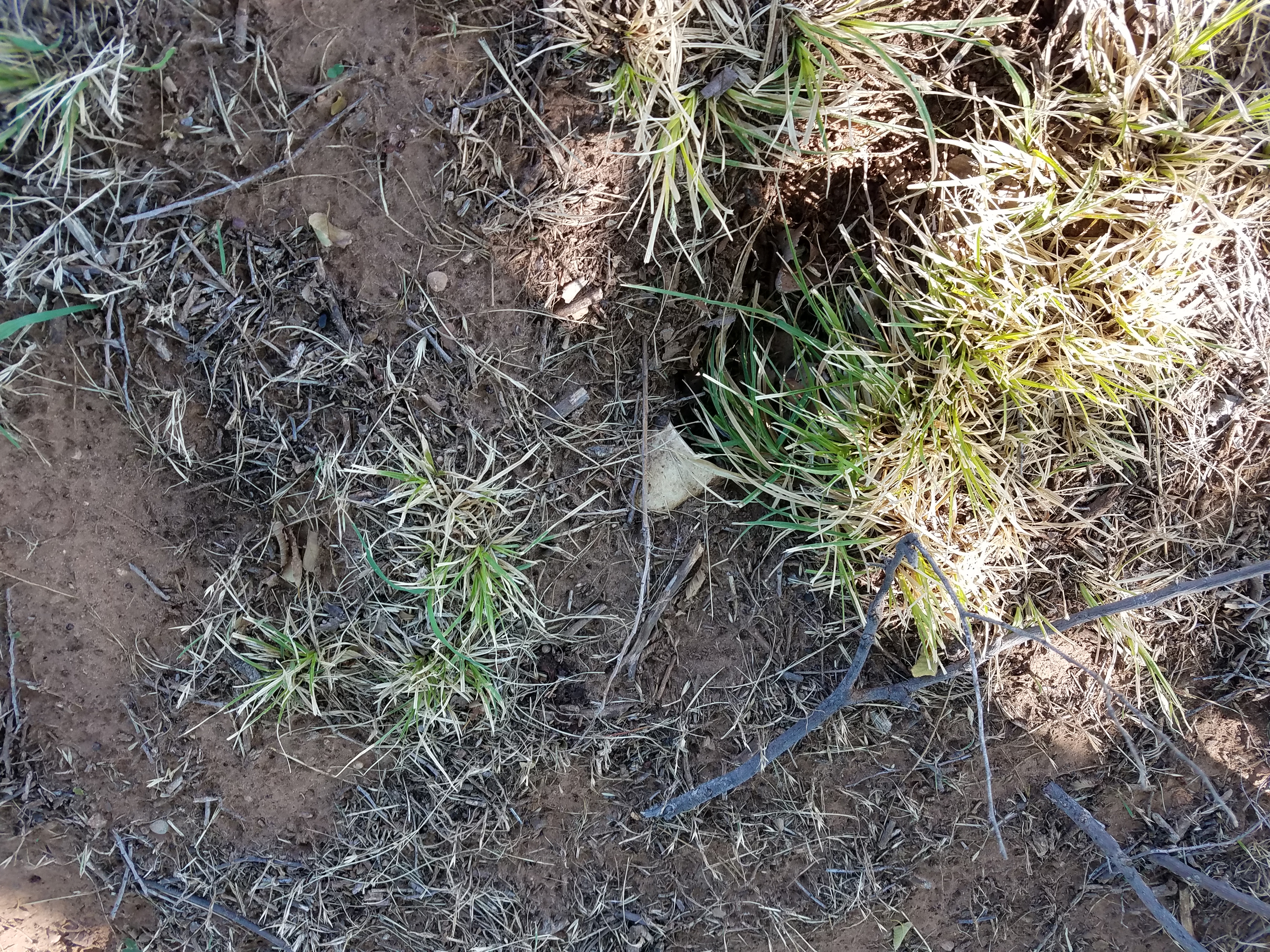
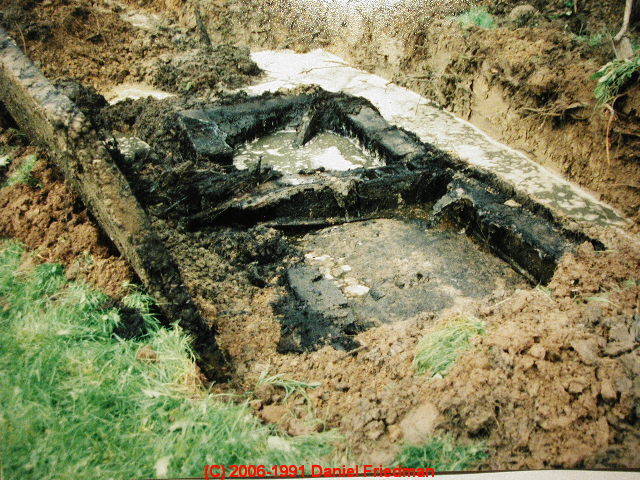
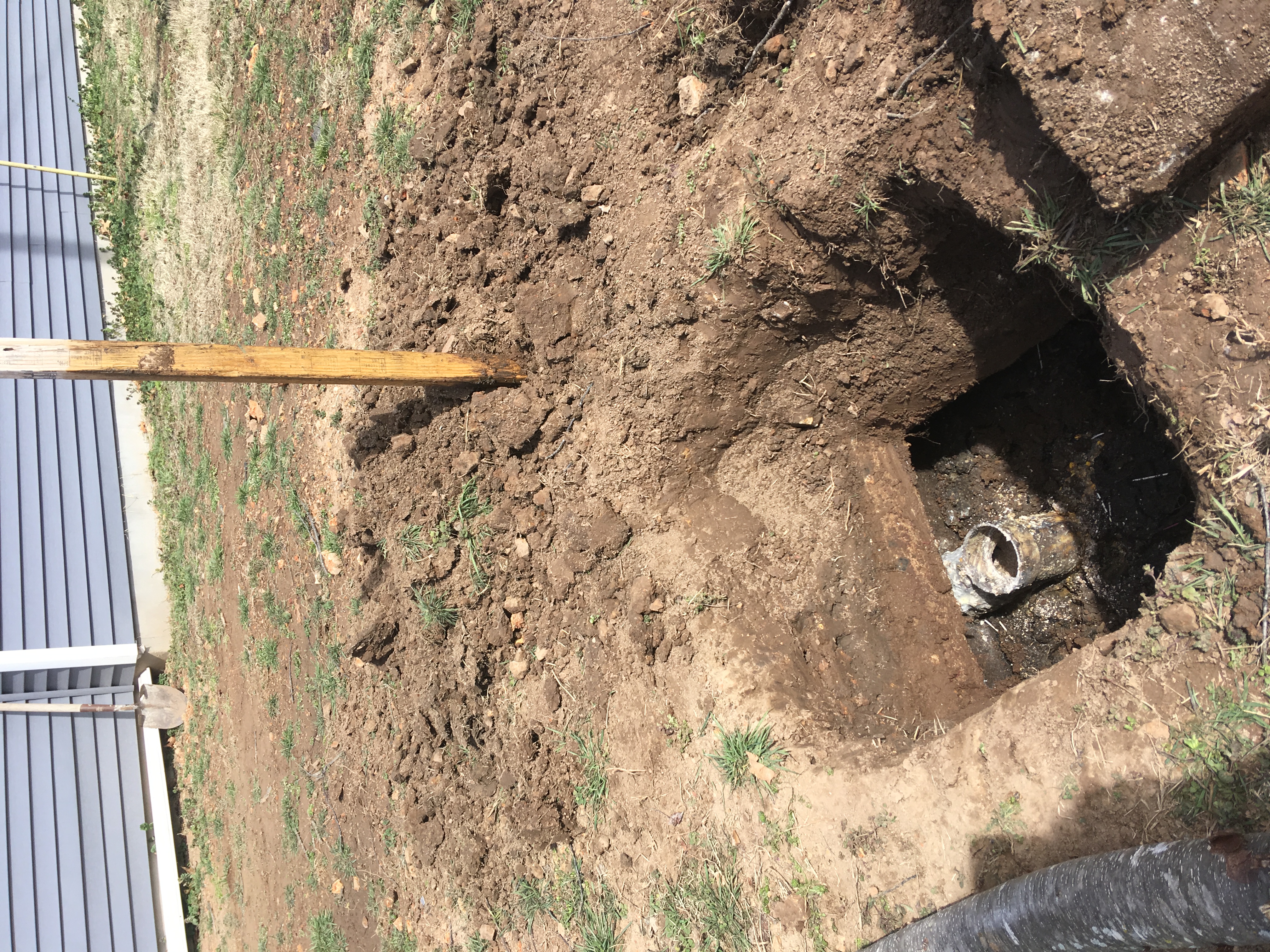
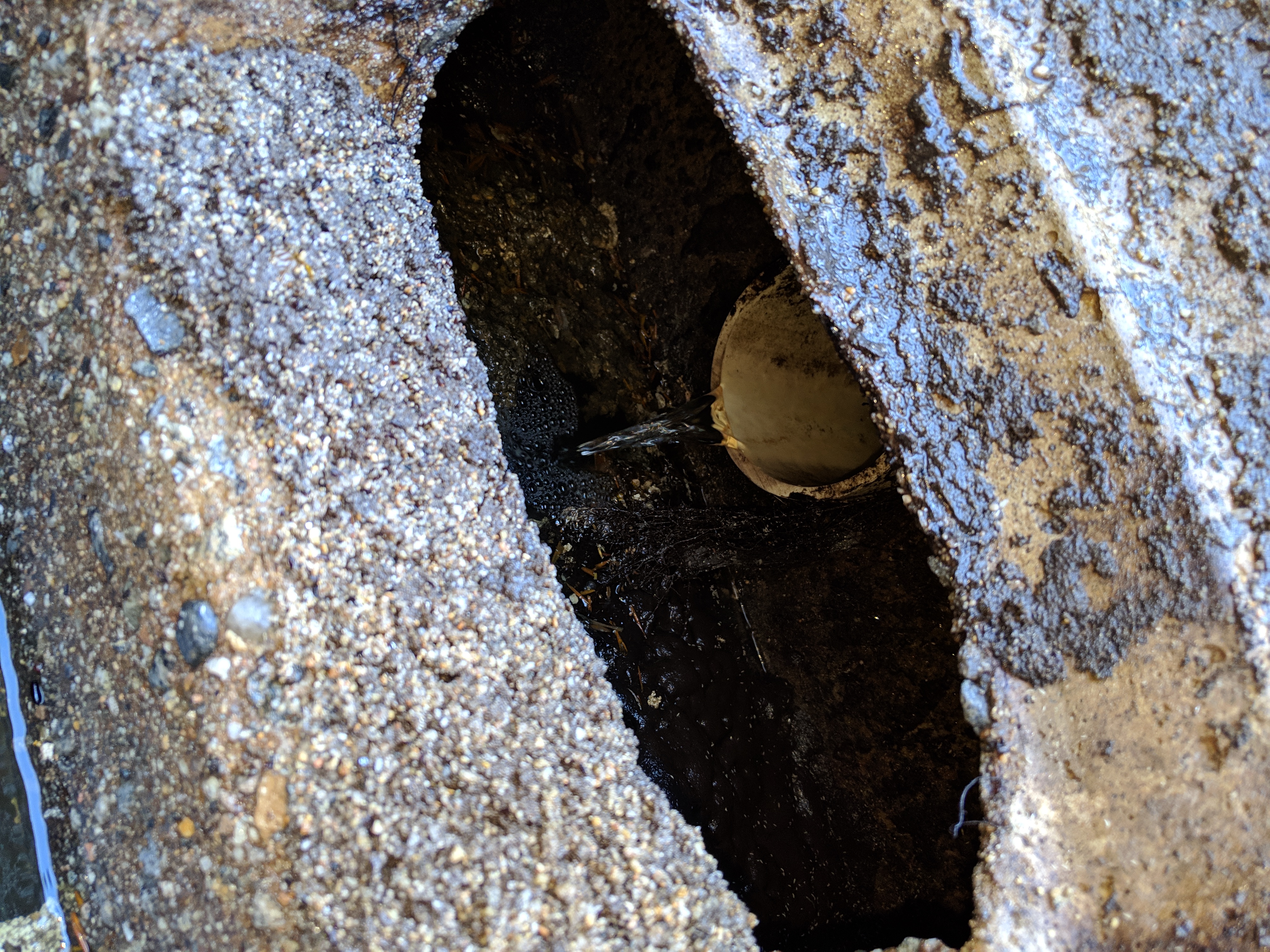
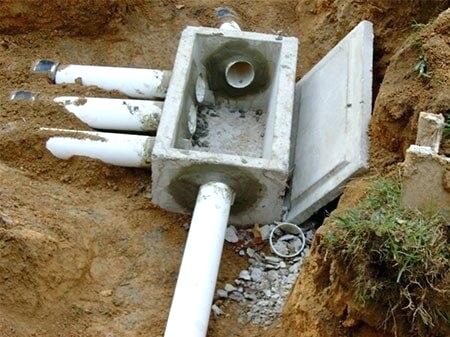
The leaching field is a vital portion of the overall septic system, ensuring proper installation and follow on maintenance allows this subsystem to operate at peak performance. This system allows effluent to flow and be absorbed by the surrounding ground. Indications of defects are septic backing up in to the home.
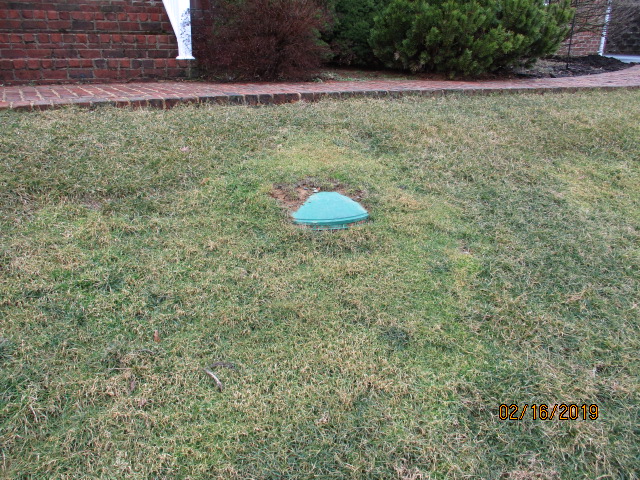
The picture above was taken of an exposed riser lid. With this particular system the riser indicated the tank location to be within 50 feet of the well riser. In my county, this condition is not allowed and the location of the tank or well may need to be adjusted once the county conducts a full inspection.
I read the article on Vermiculite insulation. It appears that this type of insulation was in fairly common use throughout the U.S. from the 1920’s until 1990. This type of insulation is not common in my jurisdiction, though now, I will be able to identify and warn buyers of the potential hazards with this product and give good direction to help maintain a safer environment.
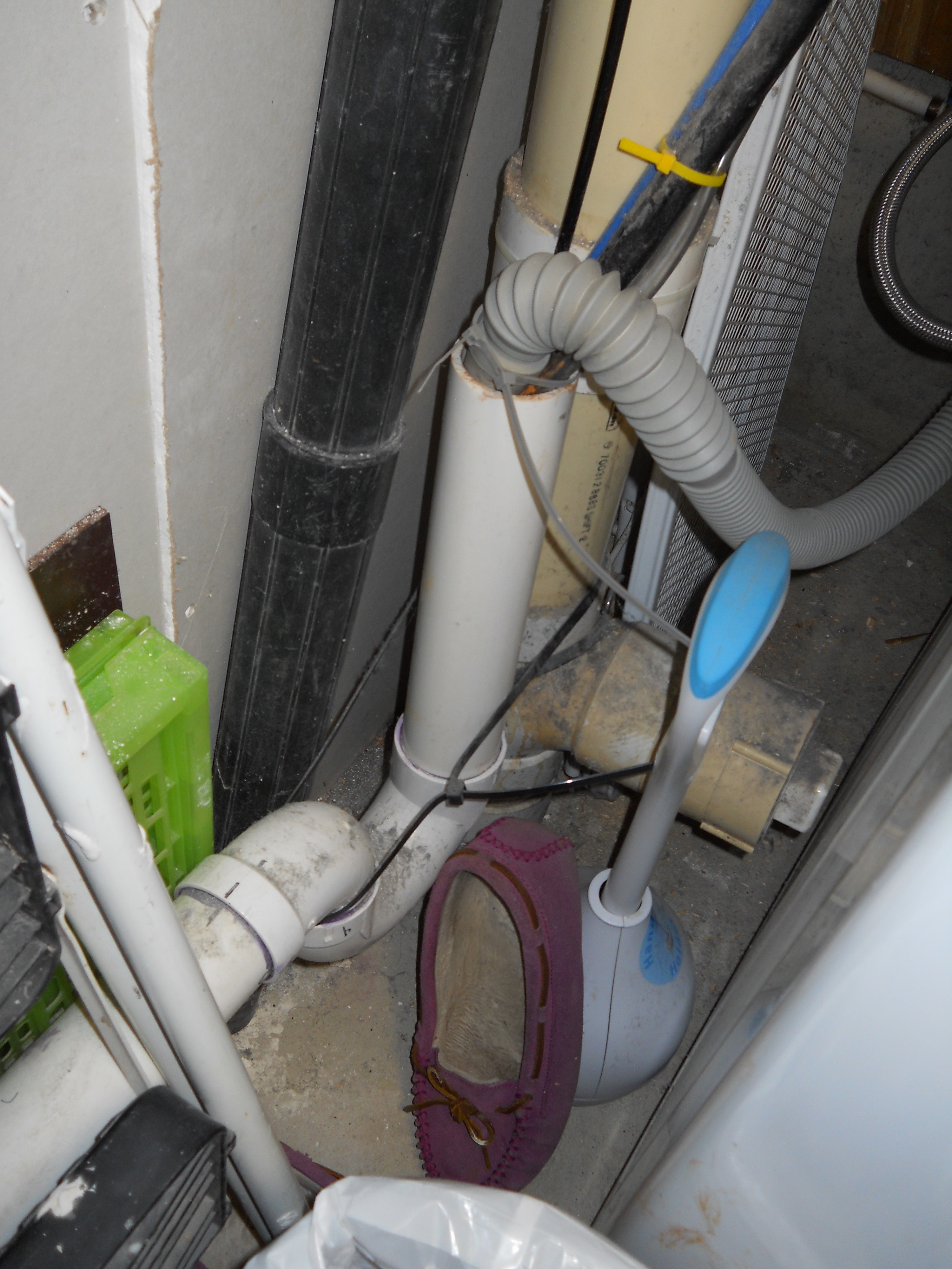
Photo of drainage from furnace, washer dehumidifier and water softener. In the second video the septic pro talked about gases that can eat away at concrete septic tanks. There are substances such as garbage (from disposal), paint from cleaning brushes etc., and grease that can lead to problems with the system separating waste potentially leading to backup of the sewage to the home. The blue tubing is from the water softener that sends drainage to the septic via the home drain. The salt content leads to the eating away of the cement.
Septic System Inspections: Regular inspections may improve the life and functionality of the system. Article suggests annually. Locating the septic can take some effort though there are several ways suggested. Property plans from local authorities may be able to shed some light. There may be some tell-tale signs such as greener grass in around the tank site. Size of the tank are dependent on the number of bedrooms in the home. Ask the homeowners what they know about the septic, location, age, last pumped, etc. Inspect should check all plumbing appliances for proper functioning.
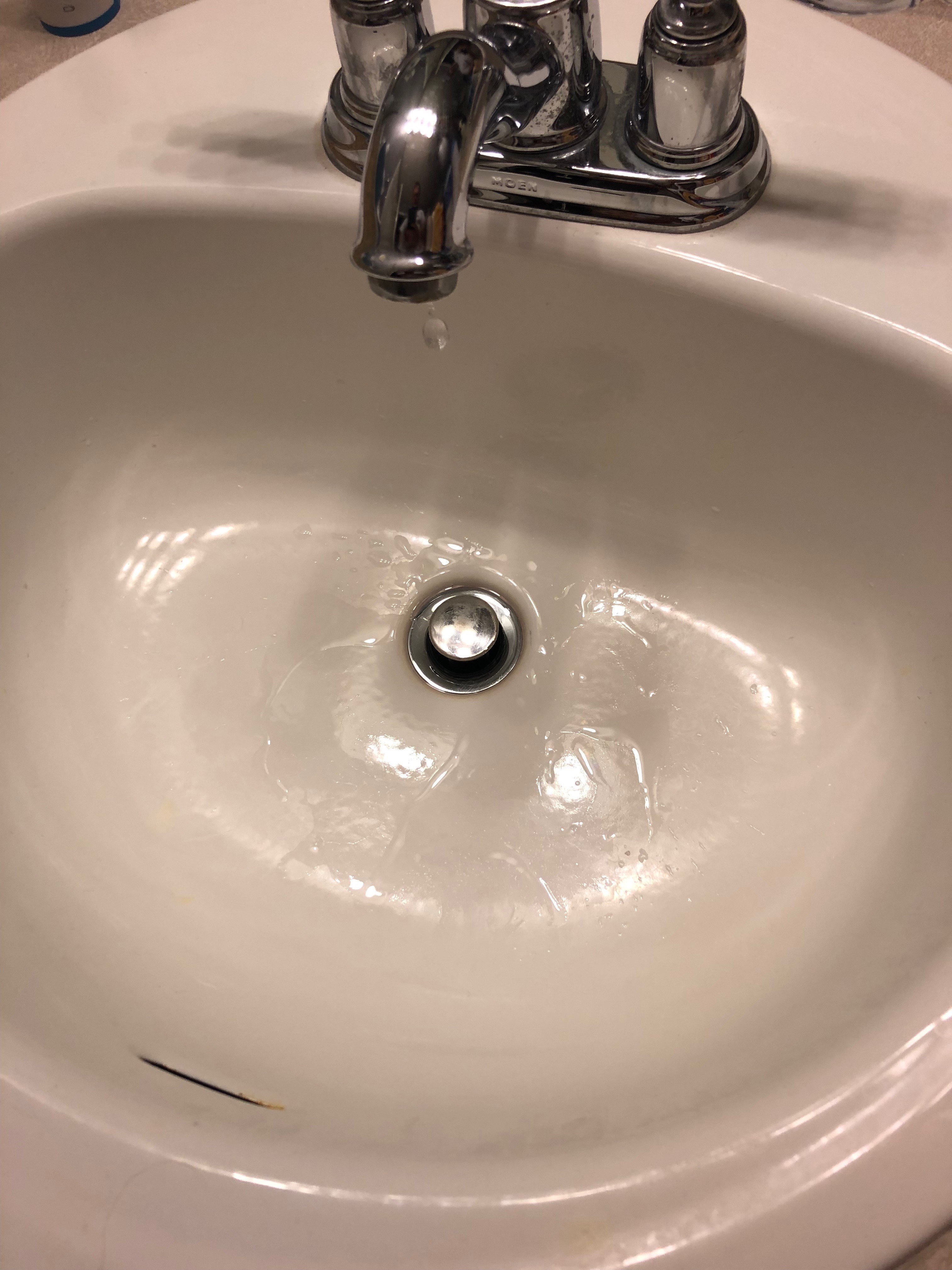
It is important for the inspector to not only check the perimeter of the structure and septic field, but also check the fixtures inside the structure for leaking or defective fixtures, which can add many gallons of water to the system, and ultimately cause failure in the system.
Dryer exhaust venting systems should be inspected for material type, function of flow, looking for bends and kinks, visible damages, and termination end points. At the termination to the outside, a vent damper should be in place as well as a screen should not. The purpose of the vent is to expel heat and moisture, which will include dryer lint, and this lint is very flammable. Any obstruction can prevent this heat and moisture from escaping and actually buildup, creating a potential fire, or at least a fire hazard.
This picture that I submitted was an inspection that I did on a home out in the country. The septic system was extremely old and they had no knowledge of the last time it was pumped out. What was interesting was that the Kitchen sink and washing machine was on a separate line and just drained in the yard.
The article that I read was about the dangers of asbestos and what to do. Several of the homes that I have inspected are built in the 1950s to 1970. I do inform the client that the best thing to do is not disturb the suspected product. Is further research is to be done then a professional company should be contacted for removal.
When checking the amount of solid waste build up in a septic tank you would use a pipe with a six inch by six inch flat piece of wood on the bottom. You slowly insert it into the tank feeling for the sludge and making a mark on the pipe. Then push it slowly until it hits bottom and make another mark. The difference between the two marks is how much sludge is in the tank.
This two chambered tank is badly deteriorating and failing to provide necessary treatment. Scum levels are at or near the surface, suggesting that effluent is failing to discharge into the field. This could be for any number of reasons, such as blockage at or beyond the outlet or failure in an effluent pump station, if there is one. The sludge layer may also be significantly built up such that the inlet of the PVC tee outlet, if there is one, is submerged in the sludge.
The image I studied was Septic Stack Effect. To me, this image helps emphasize why an inspector would want to note the as-built conditions of the disposal field. Because the subsequent trenches of this disposal field are designed at different elevations, the system has less of a water holding capacity on the downslope side compared to if that system was designed as a level bed, which would result in a much larger depth of fill on the low side. This decrease in water holding capacity of the fill extension could contribute to breakout at the surface or toe of slope on the downslope side.
In Pennsylvania, it is common for new on-site wastewater treatment systems to be designed using a method called a sand mound. PA regulations on septic systems often cannot be met without elevating the absorption fields. this elevation is accomplished with the addition of sand onto the absorption area to increase the depth to the limiting level to the required 48" height. To accommodate the elevation increase, a pump is required to lift the effluent from the septic tank to the sand mound distribution system.
Considering a sand mound septic system can cost $20,000 and more in PA, it is wise and economical to maintain of your system to extend it’s performance life. Ways to do this: conserve water, limit debris and chemicals flushed, perform routine pumping and inspections.
This is a 500 gallon septic tank with only one compartment. The inlet baffle is in place and the outlet baffle cannot be seen at this time. The scum level is above the inlet height and liquid can be seen through the baffle. A measuring pole was submerge and the scum level was at 3 inches. The pole was then continued down to the sludge and had shown a liquid level of approximate of 40 inches. The sludge seemed to be very difficult to penetrate. At this stage of inspection without pumping the system seems to be working as intended.
The liquid sewage enters the d-box and is distributed through the perforated pipe. Then the liquid seeps into the stone which is between 6"-12" depth. Then it works it way down to the base soil, where their has to be a minimum of 2’-4" before reaching the water table.
This is a picture showing a tank at operational level ( ~ 2" below inlet pipe). Concrete baffles are in place. Satisfactory Condition. When ‘sludge judge’ was used in the tank, it was found to have no scum layer, the house had not been used in over a year.
In study of the ‘Septic Stack Effect’ image, I learned that the effluent that leaves each treatment pipe does not all mix together like I would have though, but rather the effluent leaving the individual treatment pipes stack like oil and water would on top of each other down gradient.
This is a distribution box or D-box. The function of a detox is to direct the effluent to the leach field. Depending on the number of zones and size of the leach field a diverter valve can be placed as well to transfer or alternate the direction or zone the effluent is going to be directed to.
Image: Poor deck location. The image shows the septic tank under a deck. Presumably, the deck was installed after the septic system. The septic tank should be a minimum of 10 feet from any structure. Being that the tank risers may not be visible at time of inspection it is important to gain some information from the health department in hopes there is a diagram available to locate the tank. Not only is location a concern, but service access is as well.