Is anyone using imagery apps or programs for roof inspections or just manual flying? There are several companies offering imagery, auto flight, etc. but they look costly. Want to know what you are using and how you are using your drone.
The software you are referring to are mostly for roofing replacement estimates, mosaic photography, and mapping. They generally aren’t intended for home inspections. Automated flight programs need to have a minimum height set to avoid any obstacles such as trees and power lines, which could be too high to see much anyway.
If you are looking to use a drone to inspect a roof as part of a home inspection, manual flight is the best option, IMO…
I agree with Michael. You have to fly manual. You need to get close up to do a roof inspection.
I’ll go a step further… In my opinion, any roof inspected with only a drone should include a disclaimer about the limitations of a drone inspection compared to walking the roof.
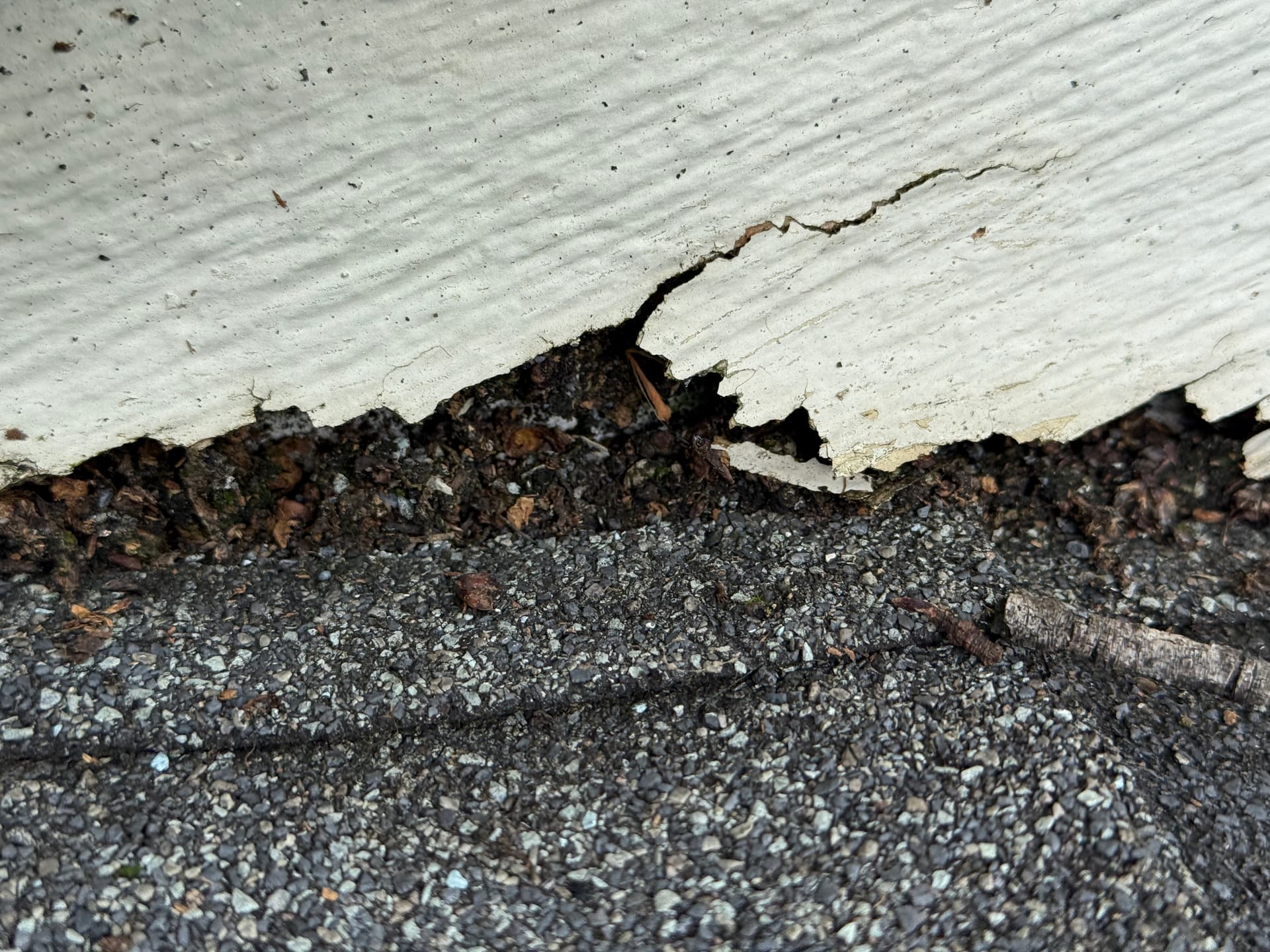
Would you see this from 50 ft away?
Rotten Masonite (hardboard) siding
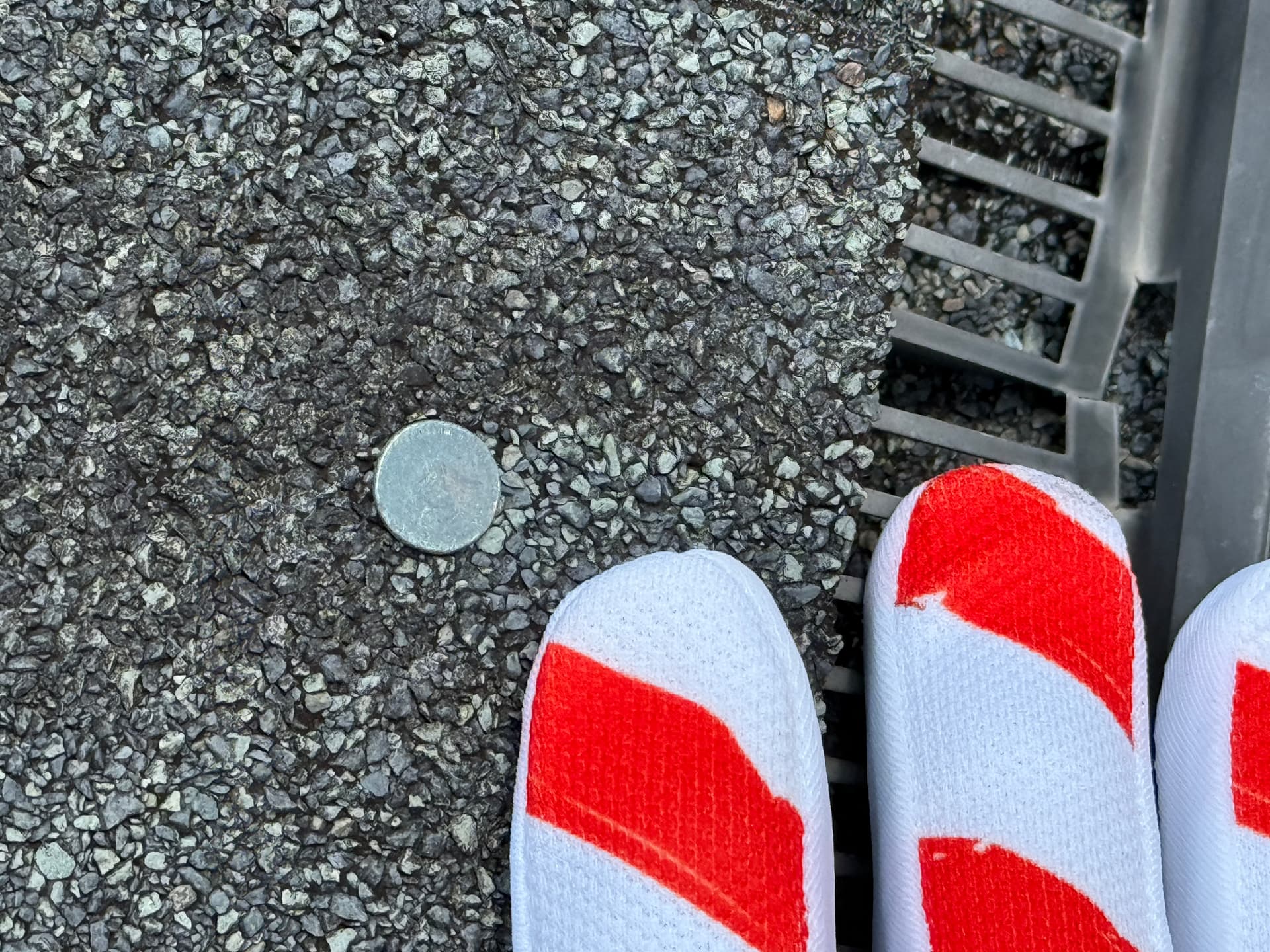
Exposed fasteners
Torn plumbing boot flashing
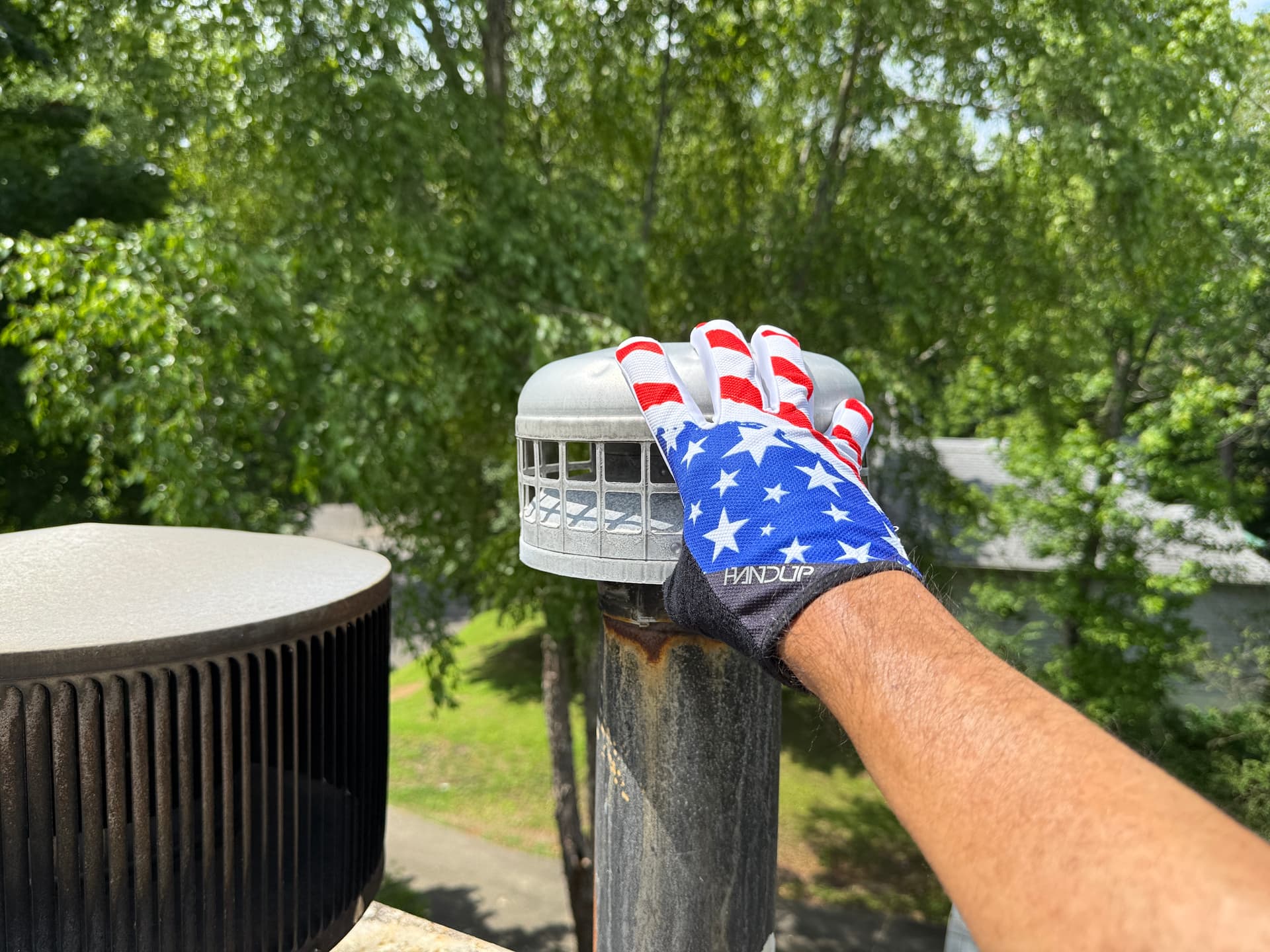
Loose exhaust vent
I don’t know of any inspectors using these products, although I talked with my insurance agent last week and he told me they use these products now for claims. He told me he can determine hail damage with this type of imagery.
IMO the best way to inspect a roof is to walk it if it can safely be done.
Yes, insurance companies are increasingly using imagery, especially from drones and satellites, to inspect for roof damage
.
Why are they doing this?
Improved Accuracy: Aerial views provide a clearer picture of the roof, helping companies identify issues like missing shingles, cracks, or other wear and tear that might not be visible from the ground.
Increased Efficiency: Drones and satellites allow companies to assess multiple properties quickly without needing to schedule in-person inspections, saving time and resources.
Safety Concerns: Roof inspections can be hazardous, and aerial inspections eliminate the need for someone to climb onto the roof, reducing risks.
Better Risk Assessment: Imagery helps insurers accurately assess the condition of the roof and the potential risk it poses, informing coverage and premium decisions.
How does this affect homeowners?
Potential for Lower Premiums: A well-maintained roof, as shown by aerial inspection, could lead to lower premiums.
Prompt Identification of Issues: If problems are found, homeowners will be alerted sooner, allowing them to make repairs before minor issues become major ones.
Less Intrusive: Aerial inspections are less intrusive than traditional inspections, as they don’t require an adjuster to come to your home.
Stay Informed: Homeowners should be aware that insurers are using this technology, especially when buying or renewing policies.
Important Considerations:
Accuracy of Imagery: It’s important to remember that drone or satellite images might not always accurately reflect the condition of the roof. Factors like discoloration might be mistaken for damage, and some damage might not be visible from the images alone.
Action for Homeowners: If you receive notice from your insurer about roof issues based on imagery, it’s recommended to get a second opinion from a licensed roofer. You also have the right to request a copy of the imagery and a detailed explanation of the identified issues.
State Regulations: Some states may have regulations about the use of aerial imagery for insurance purposes, and insurers may need to rely on more than one source of information to determine risk.
Thanks for the responses! This is good information. I’ve been a flying for my other occupation but never for inspections (just getting into it). It’s a great tool but has limitations like everything else.
I took a course in drone photogrammetry with the intent of doing some aerial surveying. While very interesting, it didn’t really apply to home inspections. I fly a bulky Mavic 2 with a zoom lens. It can tell you whether or not the dime you throw up on the roof is heads or tails and if the light is right it can tell you the date. All that to say I really good detailed, close-in photos with it. Like everyone else says, climbing onto to roof is always the best option as nothing beats being able to put your hands on it. But if you have to use a drone, do it manually.