I hope this isn’t a dumb question, but I’m just learning this, so a flat metal chimney cap and or crown is normally for a pre-fab metal fireplace correct? can it be flat and not angled to shed water? or is it a defect when the rain cap does not cover the entire cap… I guess that was a couple questions. And i can see in this picture that the rain cap is damaged, but i refer to the other questions. This is a stucco house, so how am i supposed to know whether it is masonry or prefab?

You can tell a prefab fireplace by the fireplace itself. But going by your photo I’m going to say it is prefab just by looking at the chimney crown. This one just has metal flashing and not a cement crown. And also by the flue, a prefab chimney will have a metal flue, a masonry chimney should have a clay or cement flue.
But just go to the fireplace open the damper and have a look up the chimney.
I also wanted to add that nacho has chimney and fireplace courses you can take. There is no reason to only take the required CPI courses.
1 Like
Thank you, I took the course and am doing the essay part. Went back through to check on whether the metal should be at an angle, and did not find anything. This is my chimney and the whole fireplace on the inside is a brick hearth, mantel and brick to the ceiling, and because its stucco on the outside, i wasn’t sure. It is definitely a metal flu, so it the flat metal top ok being flat?
When you do as William asked, pay attention to look for any water stains coming down the flue and on the firebox walls. That chimney cap looks like it came from a junkyard and was smashed on there!
1 Like
So we don’t use our fireplace because the damper is not existent! We had a fireplace guy out that said the parts were not made anymore for this…. I don’t know if its because we had a pellet stove insert put in and then taken out years ago that the damper and ceramic
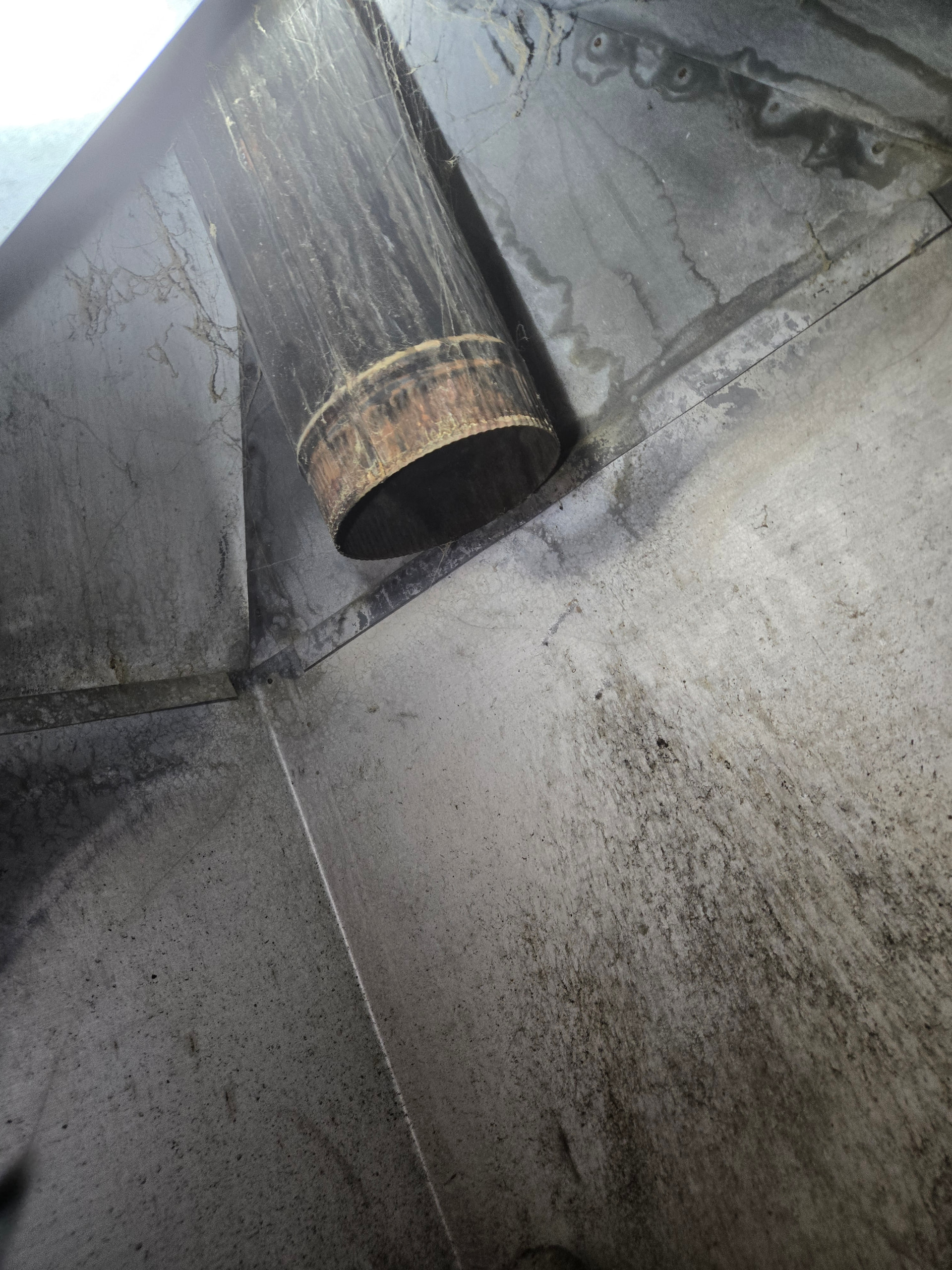
sides were removed?? The firebox has only metal sides currently. I’m trying to figure out what to put in an essay about this disaster. We have massive winds here in New Mexico, so the rain cap has blown off multiple times. we need a new one and screw it in this time!
1 Like

I think you might need to decide what kind of fuel you want to burn and do a full replacement.
As far a for the essay, may be something like this:
Firebox, flue and chimney cap show signs for damage and/or previous modifications that will require a licensed/qualified fireplace contractor to make repairs or replacement as needed.
5 Likes
Thank you so much, you have been so helpful
The image I feel is a chimney chase. A chimney chase is a framed structure, often wood, but sometimes brick or metal, built around a prefabricated chimney pipe to vent smoke and gases.
A chimney crown refers to a masonry chimney.
1 Like
Where to look: The flat metal chimney cap that the chimney flue penetrates through routes rain runoff behind the stucco. That metal cap should overlap the stucco. Besides the condition of the spark arrestor/cap, check the condition of the caulk at the rain collar and the caulk at the chimney penetration under the rain collar. Inspect the condition of the flashing at the shingles. Looks like leakage issues are present there too.
Look at NACHI graphic library to review how flashing is installed at that location. Get on youtube and search “installing and making a metal chimney cap”
2 Likes
Thank you so much for the information. Very helpful.
1 Like
Thank you! I will look that up and check again.
Morning, Katherine. Hope to find you well and in good spirits today.
You sure picked a difficult topic to start with. Both are complex and for good reason. (Fire containment and exhausting toxic combustion smoke gases.)
You have several angles to start an essay. Firebox/Fireplace. Simply Compare the two.
Note: Your example is a manufactured metal fire box insert that was modified.
I see corrosion. staining likely from condensate and missing firebox parts likely due to modifications. It is not safe! You do not just install and remove a pellet stove and turn the opening into a firebox without an engineered design. Then there’s the metal flue pipe, the vertical passageway within a chimney chase that safely vents smoke, gases, and combustion byproducts out of a building. And flue clearance.
A Firebox is the specific heat-resistant inner chamber where there is combustion. Your example is completely missing the inner firebox chamber.
A Fireplace is one entire structure, including the firebox, hearth, mantel, and chimney.
1 Like
This flue Rain Cap appears totally site modified. The draw from the flue pipe will be diminished.
I think it is a danger along with the firebox.
Do not use PLEASE!!!
That flat part you are referring to is a site manufactured addition, to the metal rain cap, using sheet metal by complete amateur.
The rain cap is warped.
The rain cap circumference is to wide for the flue pipe and has been crimped.
There is a sheet metal strap to attach it to the flue pipe.
The rain cap at the bottom was a site modification for a storm collar.
Look at the illustration below the image I uploaded.


I disagree with @ryoung7; From my vantage point, the “needless rain cap” (storm collar) is absolutely necessary. It shields the flue penetration through the chimney chase cover and reduces exposure of that area to rain. His graphic of a typical metal chimney installation is good to understand.
Edit, per below comment. For clarification, in red, this is the storm collar I’m referring to:

1 Like
IMO that metal crown is improper.
- Water is able to get behind the stucco / parge coating as the crown does not extend over the coating.
- It should have pitch to drain water and prevent ponding. Appears dented.
- Flue cap is badly damaged and will inhibit proper draft.
4 Likes
Evening, Michael. Hope to find you well.
I always enjoy your posts. Many are filled with great information.
In this case I must disagree with your assessment of the modified rain cap and chimney flue.
The chimney flue rain cap has been severely modified.
The moniker was not a tin smith or fabricator.
In my humble opinion, there was no storm collar required on that chimney flue.
From what I understand, modifying chimney pipes involves strict safety codes to prevent fires and ensure proper drafting.
By the looks of the metal cap, the chimney has not been used since the modifications took place.
In my humble opinion, Do not use the chimney in its current condition.
Have a licensed WETT inspector review the firebox, chimney and rain cap for your piece of mind.
1 Like
