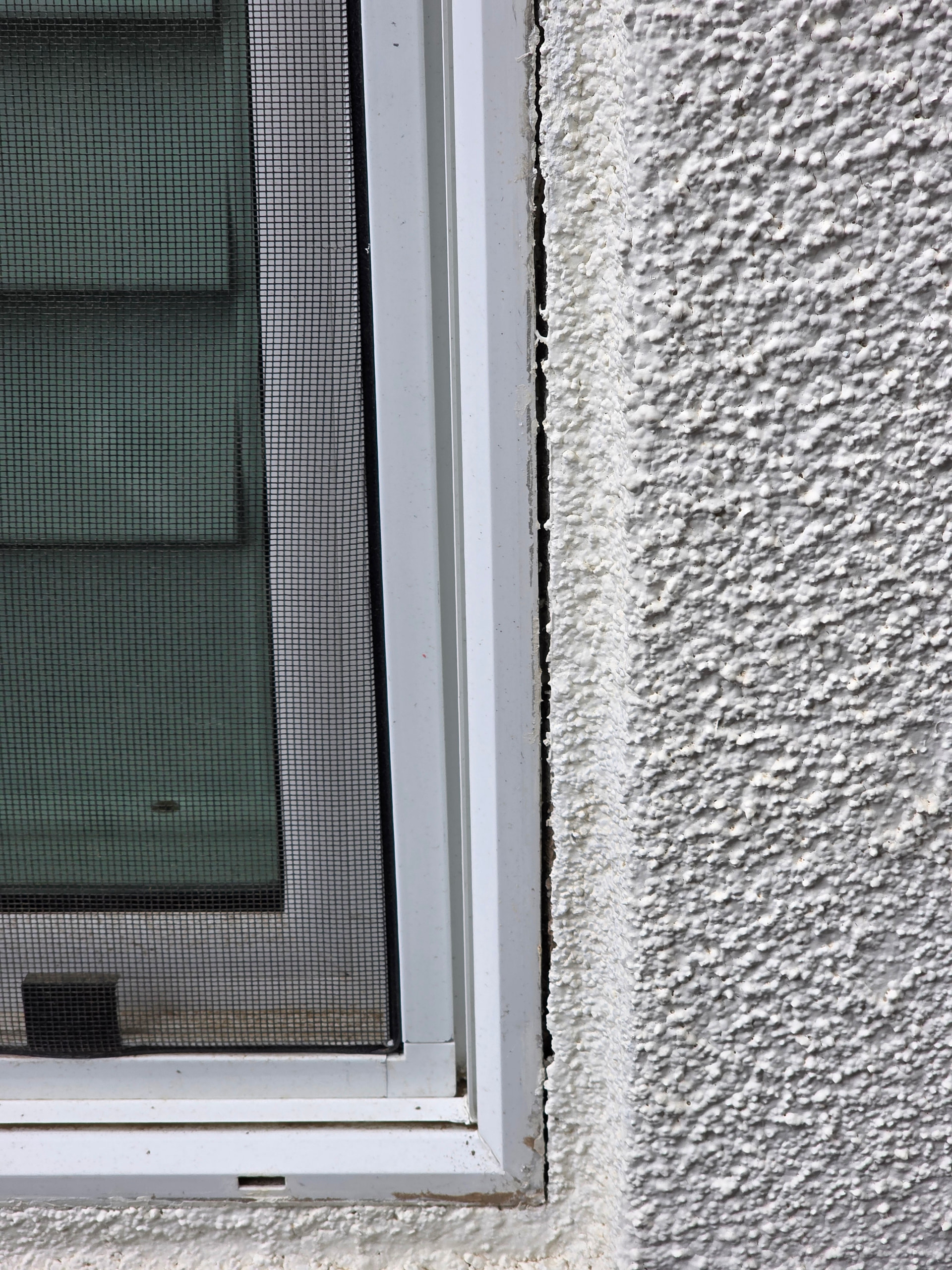
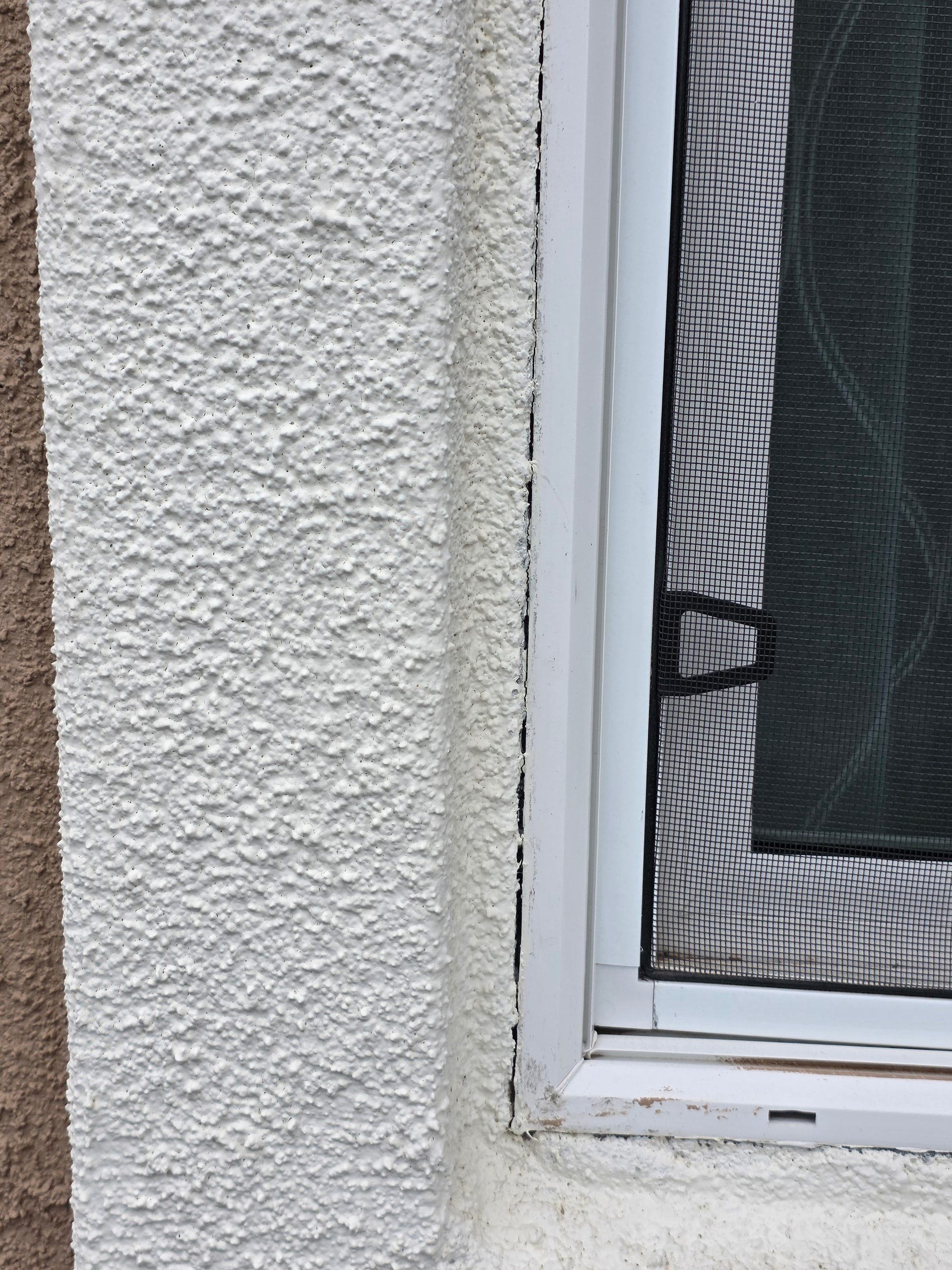
I’ve been doing a lot of home warranty inspections lately, and noticing cracks and gaps developing along window units. I ran into a builder that is telling me that these are “cosmetic issues”. The siding is stucco, window units are vinyl. Some of these gaps on other homes (not pictures here) are almost wide enough to stick my pinky into it. These gaps on this home range from hairline cracks to wide enough for a nickel or two.
The builder showed me a picture of the substrate and how they seal around windows behind the stucco, which I can’t inspect after materials have been installed. But I do see these gaps and cracks. How should I report these items? I don’t see any backer rod between the stucco and window where the gaps are widest.


Here is how to properly address those different material areas when installing EIFS:
See pages 23 and 23 of these installation instructions.

8 Likes
Morning Shayn. Hope to find you well.
I took a closer look at the gap between the Window Jam and Casing and Window Casing made of stucco. You can plainly see Stucco finish material on the Jam, a gap, followed by the Stucco Casing. To me that is an induction of shrinkage.
I concur, a: no backer rod and b: no weather resistant caulking / sealant.
The goal is to direct water away from the wall cavity.
Any images further back?
Ask the builder 1: window manufacturer. 2: Type of stucco.
Thank you
2 Likes
That’s because it was improperly executed.
All perimeters of doors and windows require the proper casing bead, backer rod, and sealant.https://www.clarkdietrich.com/products/Exterior%20Finishing/Casing%20Beads
5 Likes
They’re supposed to leave a gap, fill it with backer rod, and then caulk on top of the backer rod with an elastomeric sealant. Different kinds of materials expand and contract at different rates. The elastomeric sealant is supposed to flex enough to seal the gaps. This is supposed to be done on brick houses too but most often it’s not.
3 Likes
Stucco, like EIFS, is plagued by bad installations all around the country. Building is plagued by Builder claims like yours all around the country! There is a very good reason for the standards for installing these materials and you really should become familiar with them.
You are very correct that you can not see behind the stucco to see if the Builder is actually doing the job properly for the installation of the water resistive barrier behind the stucco. What is obvious and typical is if the weather resistive barrier portion (exterior wall covering) is not being monitored for proper installation then the water resistive barrier most likely is not as well.
Even on homes without stucco/EIFS I try to get my clients to understand the importance of both components mentioned above with a simple example. If you get a large enough opening when the water comes in it displays itself quickly. You tear out the bad materials, replace them, and move on before the damage becomes to great. However it is the smaller openings that do the most damage. They allow water to seep in over a long period causing much greater damage before the leak is detected and repaired.
No doubt the problems I find on just about every home is poor water resistive/weather resistive barrier installations, bad flashings, improper/missing sealant applications, and improper installation of exterior claddings. Write hard, write often, and closely watch what is there!
1 Like